
Fall Camping Checklist: What You Actually Need for a Comfortable, Prepared Weekend Outside
There’s something different about camping in the fall.
Cool mornings. Earlier sunsets. Quieter campgrounds. Changing leaves.
Fewer bugs. Crisp air around the fire.
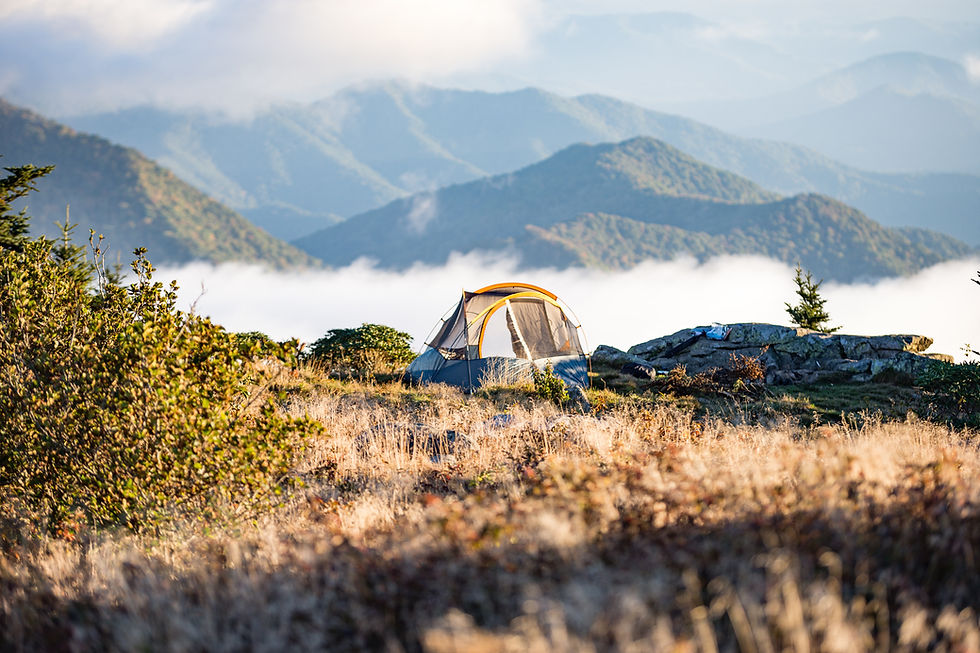
It might be one of the best times of year to get outside—but fall camping also leaves a little less room for forgetting the essentials.
Temperatures can change quickly, daylight disappears earlier than expected, and a comfortable afternoon can turn into a cold night fast. A good fall camping setup doesn’t need to be excessive or complicated. It just needs to cover the basics: shelter, warmth, light, water, food, power, first aid and a few smart backup options.
Here’s the Siren EDC approach to building a fall camping checklist that keeps you prepared without packing your entire house.
Start With the Big Three: Shelter, Sleep & Warmth
When temperatures drop, your sleep system matters more than almost anything else you bring.
Your tent should provide solid protection from wind and moisture, but the sleeping bag and sleeping pad underneath you are just as important. A lot of heat can be lost to the ground, so even a warm sleeping bag may not feel very warm without adequate insulation below you.
For fall camping, bring:
A weather-appropriate tent with rainfly
Sleeping bag rated below the expected overnight temperature
Insulated sleeping pad
Extra blanket or camp quilt
Dry sleep clothes
Warm socks
Beanie or knit hat
Lightweight insulated jacket or fleece
A good rule: plan for it to feel colder than the forecast says.
If the overnight low is expected to reach 40°F, you probably don’t want a sleep system designed to barely handle 40°F.
Give yourself some margin.
Bring More Lighting Than You Think You Need
One of the biggest changes when camping in fall is how early darkness arrives.
That means lighting stops being a convenience and becomes essential camp equipment.
At minimum, consider carrying:
Headlamp
Primary flashlight
Small backup flashlight
Lantern or area light
Spare batteries or charging capability
Emergency glow sticks
A headlamp is especially valuable because it keeps both hands free while cooking, setting up camp, gathering gear or walking after dark.
We also like having a small rechargeable light clipped to a backpack or jacket as a backup. You don’t need three massive flashlights—you just want redundancy.
If your only light source stops working at 9:00 p.m., you’ll immediately understand why.
Don’t Forget Portable Power
Phones have become maps, cameras, weather radios, flashlights, emergency communication devices and navigation tools all at once.
That makes portable power one of the most useful pieces of modern camping equipment.
Pack a power bank capable of charging your phone multiple times, along with the correct charging cables.
For longer weekends, colder temperatures or trips away from established campgrounds, consider bringing additional battery capacity.
Cold weather can also reduce battery performance, so keep smaller electronics and power banks protected from extreme cold whenever possible.
Build a Simple Water Plan
Even when you’re camping near facilities, always have a plan for drinking water.
Your setup may include:
Filled reusable water bottles
Larger water container for camp
Water filter or purifier
Backup purification method
Bring enough water for drinking, cooking, cleaning and pets if they’re joining you.
And don’t wait until you’re thirsty to start thinking about where your next water refill is coming from.
Keep Food Simple
Fall camping food doesn’t have to become a wilderness cooking competition.
Choose meals that are easy to prepare, require minimal cleanup and still give you enough calories to stay warm and active.
Good options include:
Oatmeal
Soup or chili
Pasta
Sandwiches
Trail mix
Protein bars
Jerky
Instant coffee or tea
Hot chocolate
Pre-made meals that can be reheated
Cold weather often makes warm meals feel significantly more satisfying, so having a small camp stove and warm drink setup can dramatically improve the experience.
Always store food appropriately for the campground or area where you’re camping.
Pack a Real First-Aid Kit
A few adhesive bandages tossed into a backpack isn’t really a first-aid kit.
Your kit should be capable of handling the small problems most likely to happen outdoors: cuts, blisters, minor burns, headaches, allergic reactions, splinters and basic wound care.
A practical kit might include:
Adhesive bandages
Gauze
Medical tape
Antiseptic wipes
Antibiotic ointment
Blister treatment
Tweezers
Pain reliever
Antihistamine
Personal medications
Emergency contact information
You don’t need to prepare for every possible medical emergency.
You do want enough supplies to deal with common problems before they become bigger ones.
Dress in Layers
Fall weather is unpredictable.
You might start the afternoon in a T-shirt and end the evening wearing nearly every layer you packed.
Instead of relying on one heavy jacket, build a layering system:
Base layer: Helps manage moisture.
Mid layer: Provides insulation. Think fleece or similar materials.
Outer layer: Protects against wind and rain.
Bring gloves, a warm hat and extra socks.
One important rule: keep at least one set of clothing completely dry for sleeping.
Getting into cold, damp clothes at bedtime is a fast way to turn a good camping trip into a miserable one.
Add a Few Basic Tools
You don’t need an oversized survival kit for a weekend campground trip, but a few tools are extremely useful.
Consider carrying:
Reliable knife
Multi-tool
Lighter
Waterproof matches
Fire starter
Small repair tape
Cordage
Small folding saw if appropriate
Camp axe or hatchet where permitted
Your tools should match the type of camping you’re doing.
A developed campground and a remote backcountry campsite require very different equipment.
Have More Than One Way to Start a Fire
If fires are permitted, fall evenings are perfect for sitting around one.
But damp wood, wind and colder temperatures can make fire starting more difficult than expected.
Carry at least two ignition methods.
For example:
Lighter
Backup lighter or waterproof matches
Dedicated fire starter
Keep them somewhere dry.
And always check local fire restrictions before starting a campfire.
Prepare for Rain Even When Rain Isn’t Forecast
Fall weather changes quickly.
Pack:
Rain jacket
Backpack rain cover or dry bag
Tarp
Extra trash bags
Waterproof storage for electronics
Dry change of clothes
Trash bags are one of the most underrated pieces of camping equipment. They can hold wet clothes, protect gear, cover equipment and obviously handle trash around camp.
They weigh almost nothing.
Bring a few.
Think About Emergency Communication
If you’re camping somewhere with unreliable cell service, determine how you would communicate if something went wrong.
Depending on where you’re traveling, options might include:
Two-way radios
GMRS or FRS radios
Satellite communicator
Emergency beacon
At minimum, someone who isn’t camping with you should know:
Where you’re going
Who is going
When you expect to return
When they should become concerned if they haven’t heard from you
That simple step costs nothing.
Fall Camping With Dogs
Fall camping can be incredible with a dog, but they need their own gear too.
Bring:
Leash
Collar or harness
ID tags
Food
Water
Collapsible bowl
Waste bags
Towel
Blanket or sleeping pad
Pet first-aid supplies
Any medications
Even dogs that tolerate cooler temperatures well should have somewhere dry and insulated to sleep.
Also check the campsite’s pet rules ahead of time.
The Siren EDC Fall Camping Checklist
Before heading out, run through this list:
Shelter & Sleep
Tent
Rainfly
Stakes
Groundsheet
Sleeping bag
Sleeping pad
Pillow
Extra blanket
Clothing
Base layers
Fleece or insulating layer
Rain jacket
Warm jacket
Gloves
Hat
Extra socks
Dry sleep clothes
Lighting
Headlamp
Flashlight
Backup light
Lantern
Glow sticks
Batteries or charging cables
Food & Water
Water
Water purification
Food
Snacks
Camp stove
Fuel
Cookware
Utensils
Mug
Cooler if needed
Power & Electronics
Phone
Power bank
Charging cables
Navigation
Two-way radio or emergency communication device if appropriate
First Aid
First-aid kit
Personal medications
Blister care
Pain reliever
Antihistamine
Sunscreen
Insect repellent
Tools & Fire
Knife
Multi-tool
Lighter
Backup ignition source
Fire starter
Cordage
Repair tape
Camp Extras
Camp chair
Tarp
Trash bags
Toiletries
Toilet paper
Hand sanitizer
Towel
Map
Emergency contacts
A Few Final Fall Camping Tips
Check the overnight temperature, not just the daytime forecast.A sunny 60°F afternoon can easily become a 35°F night.
Set up camp before dark.Everything takes longer when you’re working by headlamp.
Keep tomorrow’s clothes dry.Store them inside your tent or inside waterproof storage.
Eat enough.Your body uses energy to stay warm.
Charge your devices before leaving home.Start the trip at 100%, not 43%.
Know the campground rules.Fire restrictions, food storage rules and pet regulations can vary dramatically.
Tell someone where you’re going.Especially if you’ll be outside reliable cell coverage.
Prepared Doesn’t Mean Overpacked
The goal isn’t to bring everything.
It’s to bring the right things.
Fall camping is one of the best ways to experience the outdoors, especially here in the Northeast when the temperatures cool down and the leaves begin to change. With a thoughtful sleep system, reliable lighting, warm layers, water, first aid and a few backup essentials, you can stay comfortable without turning your campsite into a gear warehouse.
Prepare for the conditions.
Pack with intention.
And then go enjoy the reason you came in the first place.
Gear For The Journey™
Explore camping, lighting, power, first-aid, everyday carry and outdoor essentials at Siren EDC.


Comments